
Aeluma signs $30m CHIPS LOI as photonics losses widen in FY2026
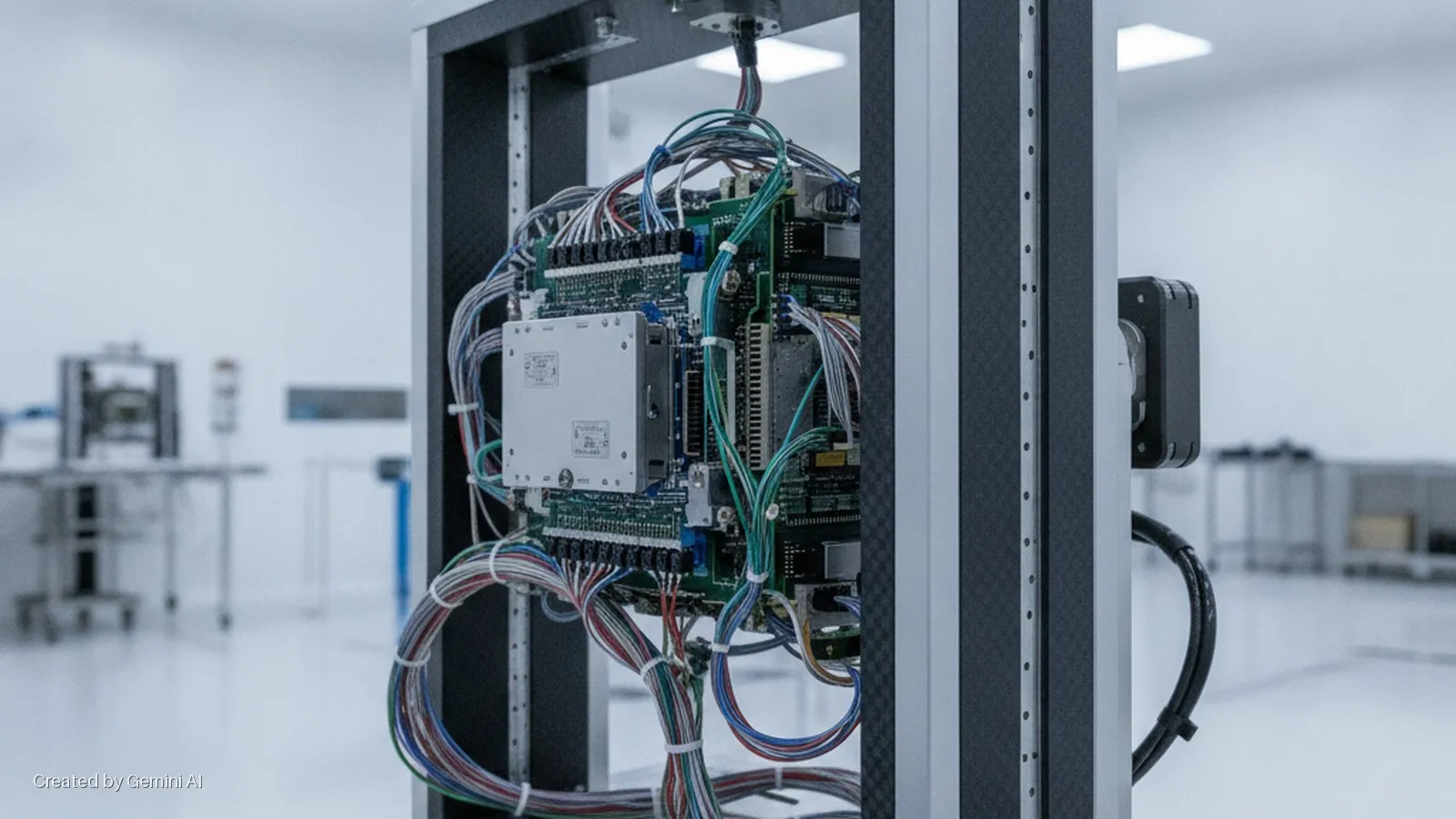
Aeluma (NASDAQ: ALMU), a California-based semiconductor company focused on photonic interconnects for AI data centres, has reported full-year revenue of $4.5 million for the fiscal year ended 30 June 2026, broadly flat against $4.7 million the prior year. Net losses widened sharply to $9.2 million from $3.0 million, reflecting a deliberate investment phase: the company more than doubled its headcount from 14 to over 30 people and spent heavily on manufacturing readiness.
The headline strategic development was the signing of a letter of intent with the US Department of Commerce CHIPS R&D Office for up to $30 million in funding to accelerate the development and commercialisation of photonics for AI and advanced computing. The LOI remains subject to definitive agreement negotiations; Aeluma has not confirmed timing or specific milestones attached to disbursement.
Deal and operational highlights
Beyond the CHIPS LOI, Aeluma executed six new contracts totalling $5.3 million with government customers including NASA and the US Navy, spanning photodetector, laser, and quantum technology programmes. The company also entered a new strategic agreement with Sumitomo Chemical Advanced Technologies to expand its manufacturing relationship and increase wafer capacity, and it announced a separate partnership with Tower Semiconductor to support qualification and scaling.
Cash and cash equivalents stood at $56.0 million at the period end, up from $3.6 million a year earlier, primarily reflecting $43.5 million raised through public equity offerings during the year. The company is procuring additional MOCVD tools to increase wafer production capacity for its non-indium-phosphide photonics platforms.
Fourth-quarter revenue came in at $0.6 million, down from $1.3 million in the same quarter of 2025, with the company attributing the sequential and year-on-year decline to the pipeline shifting from early-stage government R&D contracts toward larger non-recurring engineering negotiations with commercial AI datacom customers. Aeluma said it is in multi-million-dollar NRE discussions with prospective customers in the AI datacom sector.
Market context
Photonic interconnects have moved from a research curiosity to a near-term procurement priority for hyperscale data centre operators seeking to cut latency and power consumption at the rack level. Aeluma competes in a field that includes larger integrated players such as Coherent and II-VI (now Coherent Corp), as well as well-funded startups targeting silicon photonics and indium-phosphide-based components. The company's differentiation rests on a compound-semiconductor platform it says can be manufactured at scale on standard microelectronics fabs, a proposition that, if validated, would reduce one of the key cost barriers to broad photonic adoption.
Founder and chief executive Jonathan Klamkin cited analyst projections that the data centre IT semiconductors and components market could surpass $1.8 trillion by 2030. That figure is presented by third-party analysts referenced in the release but is not independently attributed; readers should treat it as directional rather than verified. The broader dynamic is well established: GPU cluster density is pushing bandwidth and power constraints that optical interconnects are designed to address.
Regulatory and funding read-across
The CHIPS and Science Act has directed roughly $11 billion toward R&D and workforce programmes, of which the CHIPS R&D Office manages a portion for photonics, advanced packaging and semiconductor ecosystem development. Aeluma's LOI puts it in a cohort of smaller, specialised vendors seeking non-dilutive government capital alongside private equity. The company noted that any definitive award would likely involve an equity stake for the US government and associated governance considerations, risks it has disclosed in its SEC filings.
Fiscal 2027 guidance points to continued investment in MOCVD capacity, team expansion and customer NRE conversion. Investors will look for at least one named commercial customer win and concrete evidence that NRE agreements are converting to volume production orders before the current cash runway is meaningfully drawn down.