
AMD and Cisco go live in Saudi Arabia with HUMAIN AI platform
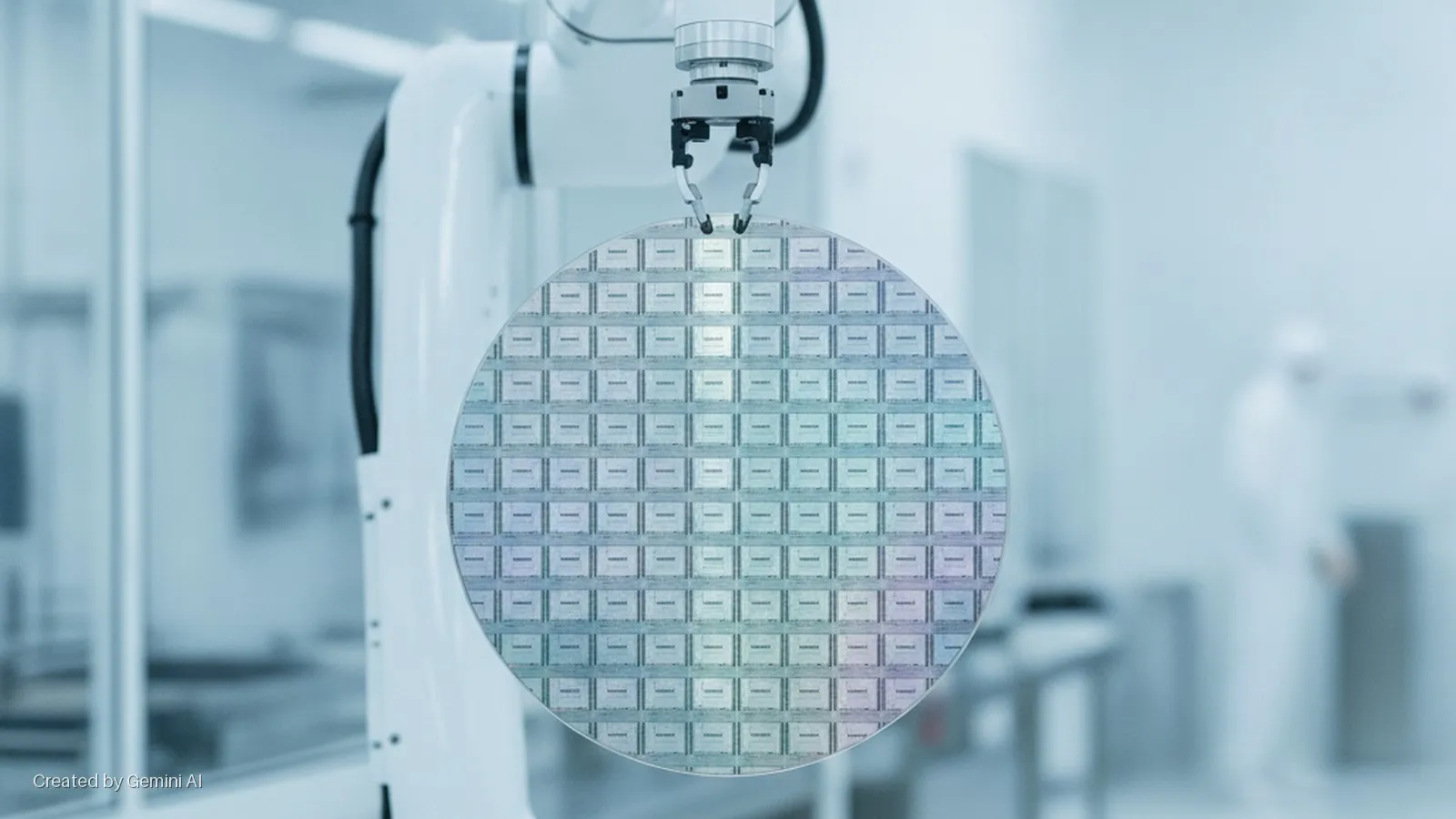
AMD, Cisco and HUMAIN have brought their Saudi Arabia AI infrastructure platform into production, deploying AMD Instinct MI355X GPUs, AMD EPYC processors and Cisco Silicon One-based networking to serve GPU-as-a-service workloads across model training and inference. The milestone, announced on 31 August 2026, marks the first live phase of a joint venture the three companies formed earlier this year, with HUMAIN operating as a full-stack AI company owned by Saudi Arabia's Public Investment Fund.
The production cluster uses Cisco's N9000 Series switches interconnected via 800G optics to provide what the companies describe as a low-latency, high-resilience fabric optimised for large-scale GPU workloads. HUMAIN is offering the capacity as GPU-as-a-service to customers in Saudi Arabia and the wider region, with no specific throughput figures or pricing disclosed in the release.
Expansion roadmap
The current live deployment is the first phase of a substantially larger buildout. AMD, Cisco and HUMAIN plan to begin deploying up to 250 MW of additional AI infrastructure from 2027, powered by the forthcoming AMD Instinct MI400 Series GPUs alongside AMD EPYC processors and the ROCm open software stack, with capacity expected to come online in the second half of that year. The joint venture's stated ultimate target is up to 1 GW of AI infrastructure operational by 2030, a figure the release attributes to sustained customer demand.
AMD chair and chief executive Lisa Su said the deployment demonstrates the partners' ability to deliver "an open, high-performance AI platform" serving customers today, with significant scaling to follow. HUMAIN chief executive Tareq Amin framed the milestone as evidence of "sovereign, high-performance AI infrastructure" meeting growing regional demand. Cisco chair and chief executive Chuck Robbins characterised the region as moving "quickly from AI investment to delivery."
Market and geopolitical context
Saudi Arabia's push to become a regional AI hub sits within a broader Gulf state competition for hyperscale data-centre capacity and sovereign model capabilities, with the UAE, Qatar and Saudi Arabia all committing significant sovereign-wealth investment to AI infrastructure over the past two years. HUMAIN has also been working with other US technology companies in parallel, and the PIF's willingness to anchor large commitments has made Saudi Arabia an attractive anchor customer for GPU vendors seeking to diversify revenue beyond the US and Europe.
For AMD, the HUMAIN joint venture represents a material strategic opportunity to close the gap with NVIDIA in the hyperscale AI infrastructure market, where NVIDIA's H100 and H200 families have dominated. The MI355X and forthcoming MI400 Series are AMD's current flagship accelerators; the joint venture provides a large, committed deployment at a scale that can yield reference architecture wins with other sovereign-AI buyers.
The deal also carries regulatory context worth noting. AMD's forward-looking statement cautions explicitly about exposure to US export regulations and national-security-based controls. Sales of advanced AI accelerators to Gulf markets have been subject to evolving US Bureau of Industry and Security licensing requirements, and the political environment around technology transfer to the region remains fluid. Buyers and investors should watch for any shift in US export-control policy as the 2027 deployment phase approaches.
The open-software angle, centred on AMD's ROCm stack, is a deliberate positioning choice: sovereign AI buyers frequently want portability and auditability that proprietary software stacks complicate. Whether ROCm's ecosystem maturity can match CUDA-optimised toolchains at scale remains a key commercial question as the platform moves from its initial live phase into the much larger 250 MW expansion.