
Punta Cana Airport deploys SeeTrue AI for contraband detection
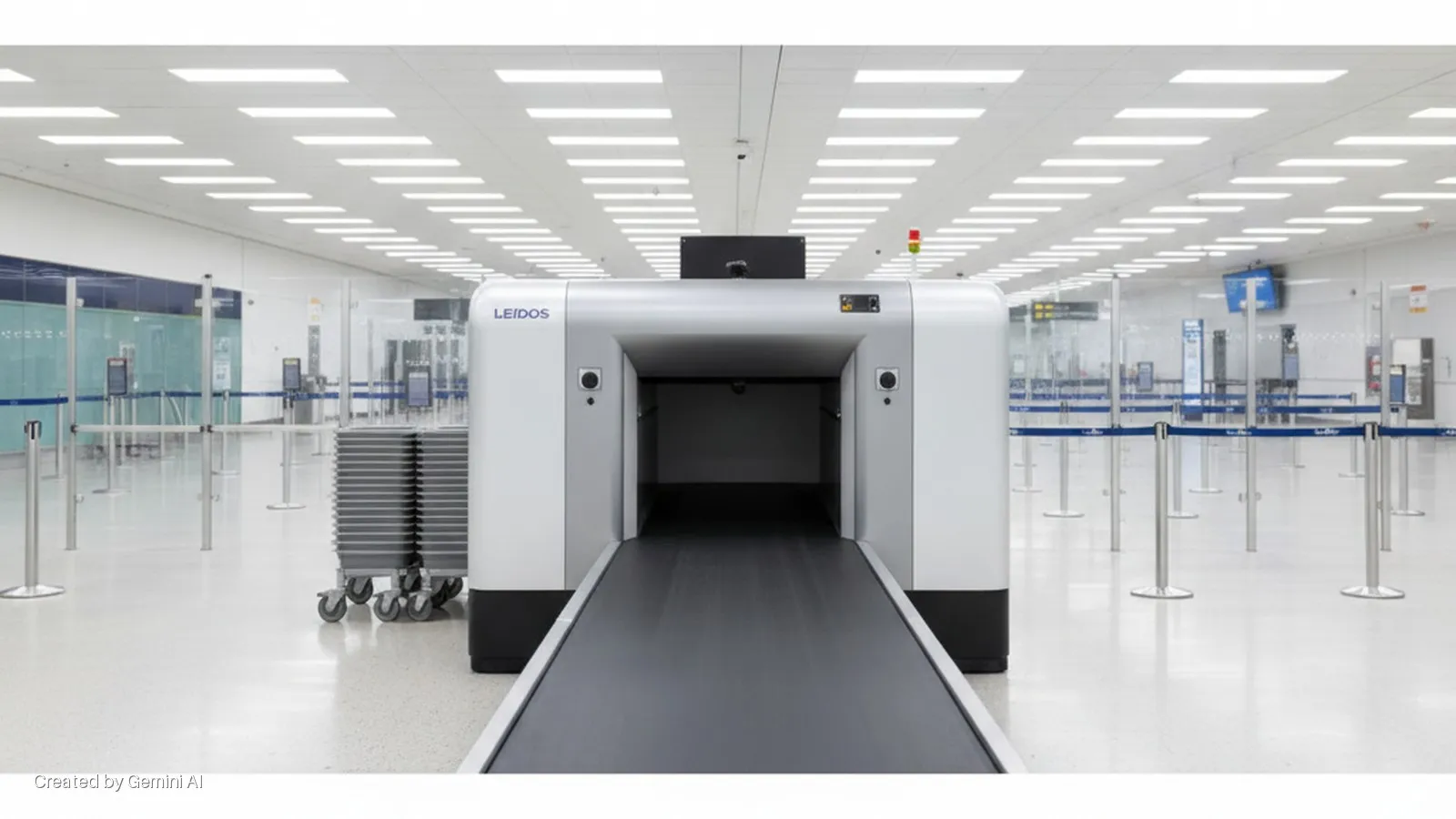
Punta Cana International Airport (PUJ) has deployed SeeTrue's artificial intelligence platform for real-time contraband detection at its passenger checkpoint, working alongside Leidos' ClearScan computed-tomography baggage scanner. The rollout, which also involved regional technology integrator PBS Dominican Republic, is described by the parties as the first operational use of AI-driven drug and undeclared-currency detection on ClearScan CT hardware at any international airport.
SeeTrue's software layers automated threat-recognition algorithms directly on top of the CT imaging stream, flagging concealed drugs and undeclared cash within baggage at checkpoint throughput speeds, without requiring passengers to stop or unpack. The company says the approach is designed to complement existing explosive-detection workflows rather than replace them, giving screening officers an additional analytical signal rather than a standalone verdict.
Alberto Smith, Director of Operations Landside and Cargo at Punta Cana Airport, said the partnership with SeeTrue and Leidos has given PUJ the ability "to detect and seize illegal contraband in a way that was simply not available at airport checkpoints before." The airport serves approximately eight million passengers annually and connects 81 international airports across 26 countries.
The deployment
The checkpoint upgrade is framed as an integrated project: Leidos supplied the ClearScan CT scanner hardware, SeeTrue contributed its AI software stack, and PBS Dominican Republic handled local implementation and project execution. SeeTrue did not disclose the number of lanes covered, the volume of bags processed per hour under the new configuration, or any detection-rate benchmarks in its announcement. The company is TSA-certified and holds ECAC APIDS approval, both of which are prerequisites for regulated aviation-security deployments in US and European contexts respectively. Whether the Dominican Republic's civil-aviation authority has a separate approval requirement for AI-based threat algorithms was not addressed in the release.
Assaf Frenkel, co-founder and chief executive of SeeTrue, said the Punta Cana deployment proved that "checkpoint CT combined with our AI platform can change" the way contraband moves through airports. He did not provide performance figures to support that claim, and The Datatech Times has treated the characterisation accordingly.
Market context
AI-augmented security screening is a growing sub-category within the broader airport-technology market, as airport operators face pressure to raise throughput without proportionally expanding staffing. Several vendors, including Smiths Detection, Analogic and Vanderlande, offer CT-based checkpoint systems with varying degrees of automated threat recognition; SeeTrue's differentiator is its software-only model, integrating with third-party CT hardware rather than bundling its own scanner.
The contraband-detection angle is a meaningful extension beyond the explosive-detection use case that has dominated checkpoint CT investment since the US Transportation Security Administration began mandating CT scanners for carry-on baggage screening at US airports in 2021. Drug and currency interdiction has historically been handled by customs officers using separate, secondary-screening workflows, so embedding that capability into the primary checkpoint lane represents a procedural shift as much as a technological one.
Regulatory read-across is relevant here. Customs and border agencies in most jurisdictions maintain their own legal authority over contraband interdiction, meaning airport operators deploying AI-assisted customs detection will need to co-ordinate closely with national customs authorities to ensure seized evidence meets legal-admissibility standards. The release does not address how PUJ and Dominican customs authorities have structured that handoff, which will be a key operational question for any airport considering a similar deployment.
SeeTrue operates from offices in New York, Tel Aviv, London and Amsterdam. The company has not disclosed revenue, funding history or customer count beyond this announcement.