
UN:BLOCK Fintech conference to draw 600 professionals to Riga
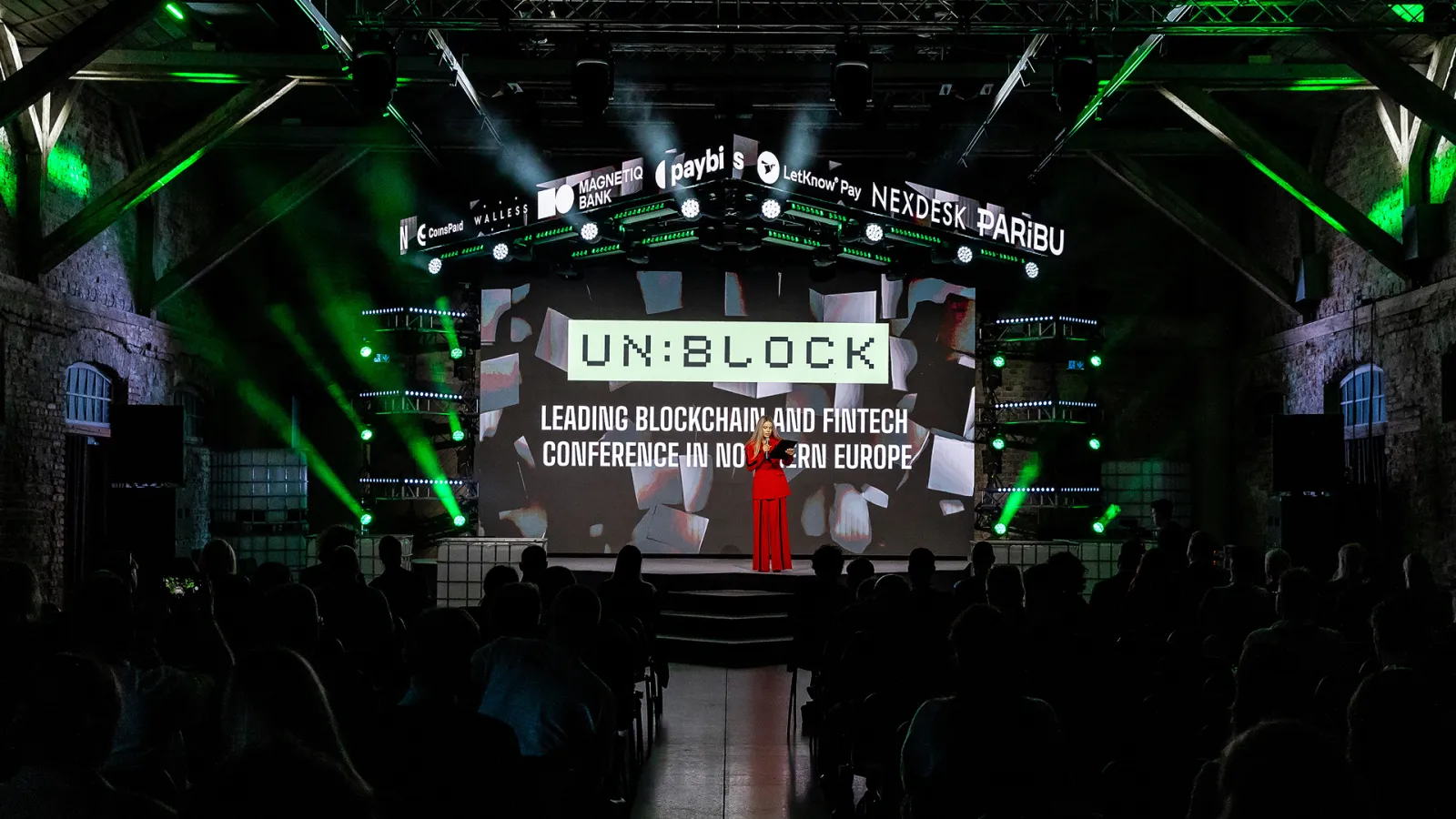
A new fintech conference is set to convene more than 600 founders, regulators and investors in Riga on 15 October, as the Latvian Blockchain Association and the UN:BLOCK Europe team bring together figures from across the Baltic and broader European fintech ecosystem to debate licensing, capital mobilisation and payment-infrastructure reform.
The event, branded UN:BLOCK Fintech, is positioned as a standalone one-day format distinct from the organisers' annual UN:BLOCK Europe blockchain conference, which returns to Riga for a two-day run in March 2027. The conference has drawn support from the Investment and Development Agency of Latvia, with co-financing from the European Regional Development Fund.
Key sessions
One of the more politically pointed discussions will examine Latvia's reportedly underutilised savings and pension asset base, estimated in the release at approximately €9 billion. The session, titled "Who Wakes Up Latvia's €9 Billion Dormant Capital?", will feature representatives from Digilo, Twino, Mintos and AS Crefo Birojs exploring how domestic capital might be redirected toward productive investment and economic development.
MiCA regulation will receive dedicated attention in a session bringing together five executives who have led Latvian companies through the EU's Markets in Crypto-Assets licensing process. Panellists from Backpack EU, Nodu, Kanga Exchange and H Finance will discuss their experiences with the regime, which came into full effect for crypto-asset service providers at the end of 2024. A parallel workshop will cover licensing requirements for payment institutions, electronic money institutions, crowdfunding platforms and anti-money-laundering compliance.
Cross-border payments will form a third strand, with representatives from Bolt, Paybis, Nexpay, SEB and Latvijas Banka examining the persistent friction in international transfers. Latvijas Banka experts will also be available for direct meetings with participants, a detail that signals regulatory engagement rather than purely industry self-promotion.
Reinis Znotiņš, Executive Director of the Latvian Blockchain Association, said the forum is designed to create business-development opportunities while giving investors visibility into "emerging sectors, innovative financial products, and compelling new investment opportunities."
Baltic ambitions and EU context
Latvia's emergence as a regional fintech hub reflects a broader European dynamic. The Baltic states have punched above their weight in financial technology for over a decade, partly through lighter-touch regulation and proximity to Nordic capital. The release highlights Latvia-specific policy advantages, including a provision that allows company share capital to be paid in cryptocurrency, an unusual accommodation in the EU context.
The full application of MiCA from December 2024 has reshuffled competitive dynamics across the bloc. Companies that secured early licences in jurisdictions such as Latvia, Lithuania and Malta now hold a passport that allows EU-wide operation, making the licensing race a strategic priority for crypto-asset service providers headquartered outside the EU. The MiCA session's focus on first-mover experience in Latvia speaks directly to this dynamic.
The broader conference roster includes organisations ranging from large incumbents such as SEB and Citadele to fintech-native firms including Mintos and Tribe Payments, suggesting the organisers are aiming for a mixed audience rather than a purely startup-focused gathering. Whether the event can sustain that breadth in subsequent years will depend on whether the first edition produces the deal flow and regulatory dialogue its programme promises.