
Tencent said to rent 100,000 AI chips via Oracle amid export curbs
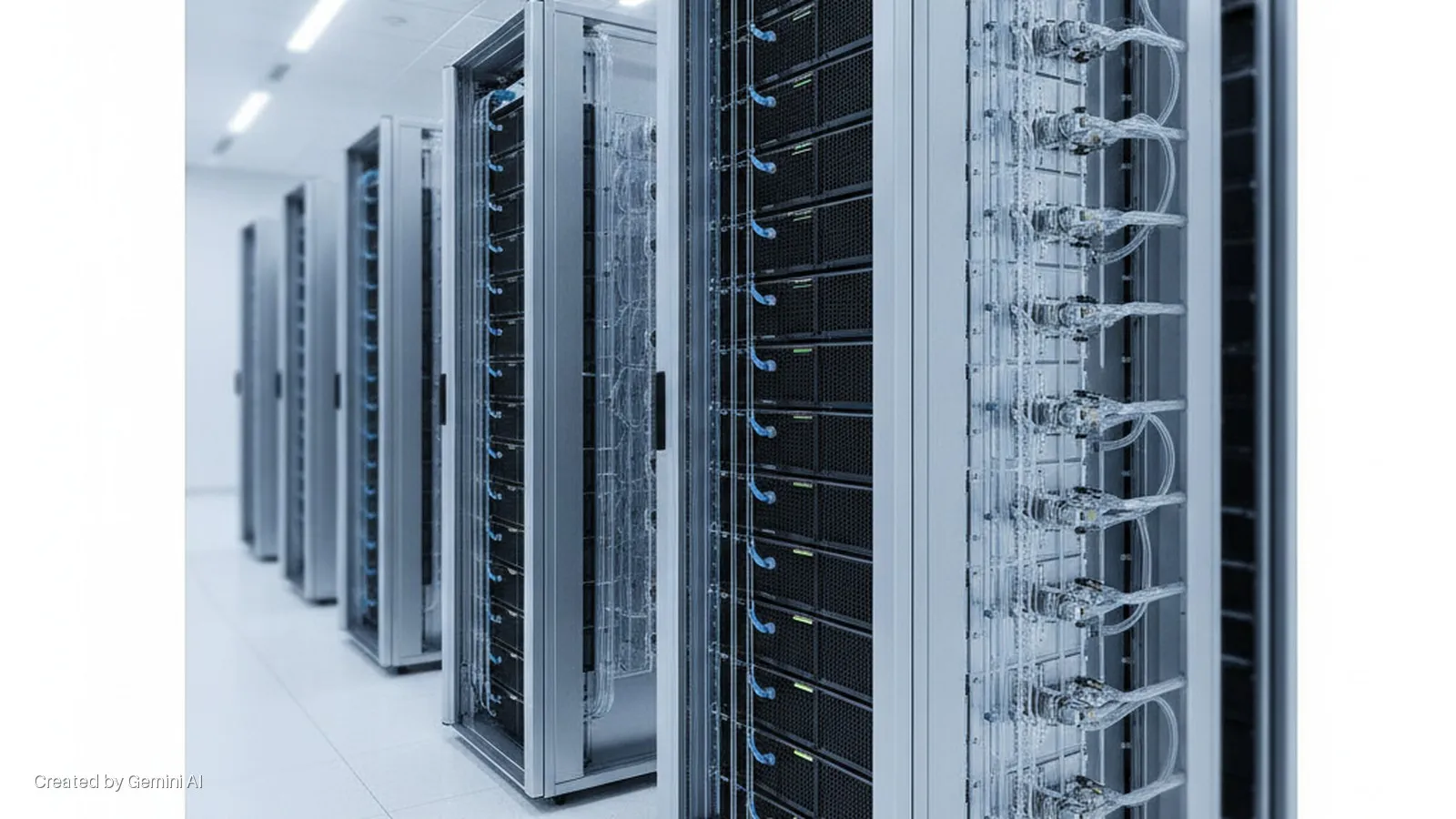
Tencent is in discussions to rent approximately 100,000 AI accelerator chips housed in Oracle's Southeast Asian data centres, in a deal valued at roughly $7 billion over five years, according to a report by the Financial Times cited by Reuters. Neither company has confirmed the arrangement. The reported per-chip cost works out at around $14,000 per year, with approximately 30% of the total payable upfront.
The scale of the reported commitment aligns with a sharp acceleration in Tencent's capital spending: the company's capex rose 176% in the most recent quarter. Serving WeChat's 1.4 billion active users and expanding its AI office-assistant tools places significant demand on compute infrastructure, and the company has limited options for accessing the most advanced GPU hardware through domestic suppliers alone.
Export-control calculus
The arrangement, if confirmed, would represent a significant workaround to US Bureau of Industry and Security (BIS) export controls, which restrict the sale of advanced AI accelerators, including Nvidia's H100 and successor chips, to Chinese entities. Routing capacity through Oracle's non-Chinese facilities in Southeast Asia sits in an unresolved grey area; the Biden and Trump administrations have both tightened restrictions iteratively, and BIS has previously moved to close similar hosting arrangements. Whether Oracle's provision of rack space and power constitutes a prohibited "deemed export" is a live regulatory question.
For Oracle, requiring roughly 30% upfront may reflect both standard large-deal practice and a hedge against the possibility that the arrangement is subsequently constrained by US government action. The company has been an aggressive builder of international AI data-centre capacity as part of its cloud infrastructure push.
GCash pricing signals APAC fintech appetite
Separately, GCash parent Mint has reportedly priced its Philippine Stock Exchange IPO at approximately $0.105 per share, implying a valuation of around $7 billion. Trading is expected to begin on 20 October. The offering has attracted more than 20 cornerstone investors, including BlackRock, the International Finance Corporation, and HSBC Global Asset Management, which is making its first cornerstone investment in the Philippines.
The deal's structure warrants scrutiny. Around 80% of the base offering represents secondary sales by existing shareholders, with only approximately $169 million in fresh proceeds flowing to the company. At a reported price-to-earnings ratio of roughly 26x, buyers are pricing in continued growth from GCash's 40 million monthly active users. The offering also represents approximately 3.7 times the total equity raised in Philippine capital markets so far this year, making it an outsized test of institutional appetite for Southeast Asian fintech at current valuations.
Market context
The Tencent-Oracle story sits at the intersection of two defining tensions in the AI infrastructure market: GPU compute scarcity and geopolitical supply fragmentation. Hyperscalers and sovereign cloud providers across Southeast Asia have moved rapidly to sign long-term capacity agreements, and the reported $14,000 per chip per year figure offers a rare public data point on spot-to-committed pricing differentials in that region.
The GCash IPO, meanwhile, is a bellwether for a cohort of mature Southeast Asian super-app businesses that built substantial user bases during the pandemic era and are now testing public-market exit windows. Both stories reflect the degree to which APAC technology capital flows remain heavily influenced by US policy decisions, whether on chip exports or dollar-denominated institutional investor appetite.