
XTEND AI Robotics lists on NYSE under ticker XTND
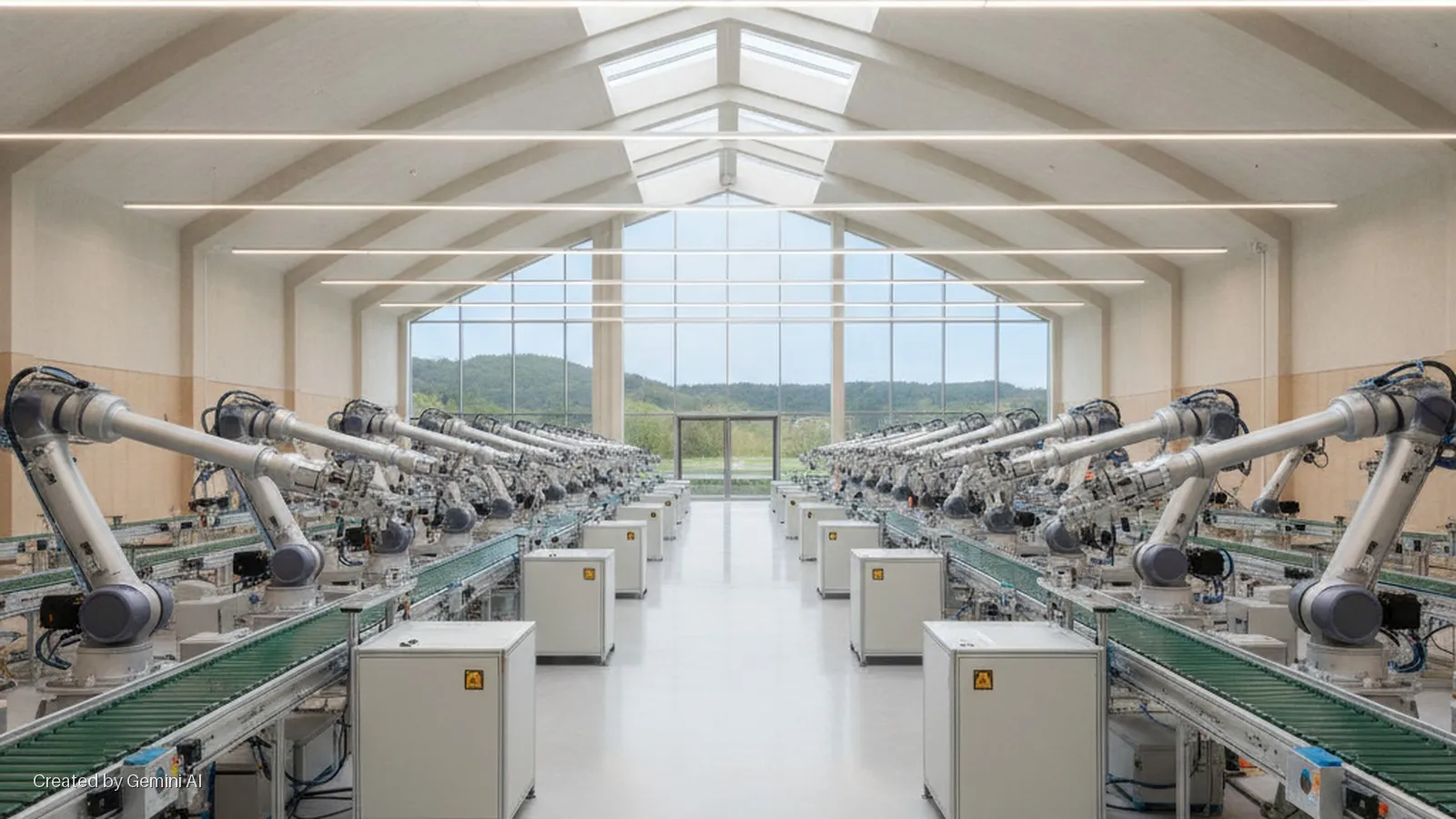
XTEND AI Robotics has rung the opening bell at the New York Stock Exchange, marking its debut as a public company under the ticker XTND. The Tampa-headquartered firm, which develops software-driven robotic systems for defence, law enforcement and public safety, completed a business combination with JFB Construction Holdings on 3 September 2026, with NYSE trading commencing the following day.
The listing arrives with a notable operational track record in place. XTEND says its proprietary XOS operating system now powers more than 12,500 deployed systems across 30-plus countries and five active combat zones. Sovereign manufacturing sites span the United States, United Kingdom, Israel, Singapore and Latvia, and the company describes its platform as hardware-agnostic, designed to support multiple robotic form factors across mission-critical deployments.
The deal and its backers
Protego Ventures, described as Israel's largest dedicated defence venture capital firm, led XTEND's $70 million Series B less than two years before the NYSE listing. Additional shareholders include Chartered Group, TAU Ventures, Surround Ventures, Secret Chord Ventures, American Ventures, and drone manufacturer Unusual Machines. Protego co-founder and managing partner Lital Leshem said the listing represents a validation of the company's technology and its path to becoming a global leader in the sector.
Chief executive Aviv Shapira framed the public listing in operational rather than financial terms: "Physical AI belongs where the risk is highest and the margin for error is smallest." CFO Tal Horesh added that entering public markets with what he described as a stable capital structure would allow continued investment in manufacturing capacity, product development and system availability.
XTEND did not disclose post-listing valuation, opening market capitalisation, or revenue figures in the release.
Market context
The listing reflects a sharp acceleration in defence-technology investment. Physical AI attracted more than $47.4 billion globally in the first half of 2026, according to figures cited in the company's announcement, while defence technology as a sub-category drew roughly $35.6 billion year-to-date, approximately 40% above the full-year 2025 total.
XTEND operates in a space that now includes a range of well-funded private and public companies pursuing autonomous systems for military and security applications. Competitors range from established prime contractors expanding their uncrewed-systems divisions to venture-backed startups in the US, UK, Israel and Australia. The hardware-agnostic, software-first positioning XTEND emphasises through XOS is a deliberate strategic choice, mirroring the approach taken by platform vendors in adjacent categories who have found recurring revenue in operating systems and mission software more durable than hardware margins alone.
Regulatory read-across
Defence robotics and autonomous systems sit at the intersection of several overlapping regulatory regimes. XTEND highlights its NDAA compliance, a prerequisite for selling into US federal and defence procurement channels, and the company's distributed manufacturing footprint across allied nations is consistent with navigating export-control requirements under US International Traffic in Arms Regulations and similar frameworks in Israel, the UK and Singapore.
A public listing also brings full SEC reporting obligations and heightened scrutiny of forward-looking claims, export licence disclosures and geopolitical risk factors. XTEND's prospectus, filed with the SEC in August 2026, explicitly names compliance with export-control and defence-trade regulations as a material risk. Investors and analysts will be watching for disclosed revenue, contract pipeline and manufacturing utilisation as the company begins quarterly reporting as a public entity.