
ADS-TEC Energy to supply 10 MW BESS for Swiss industrial site
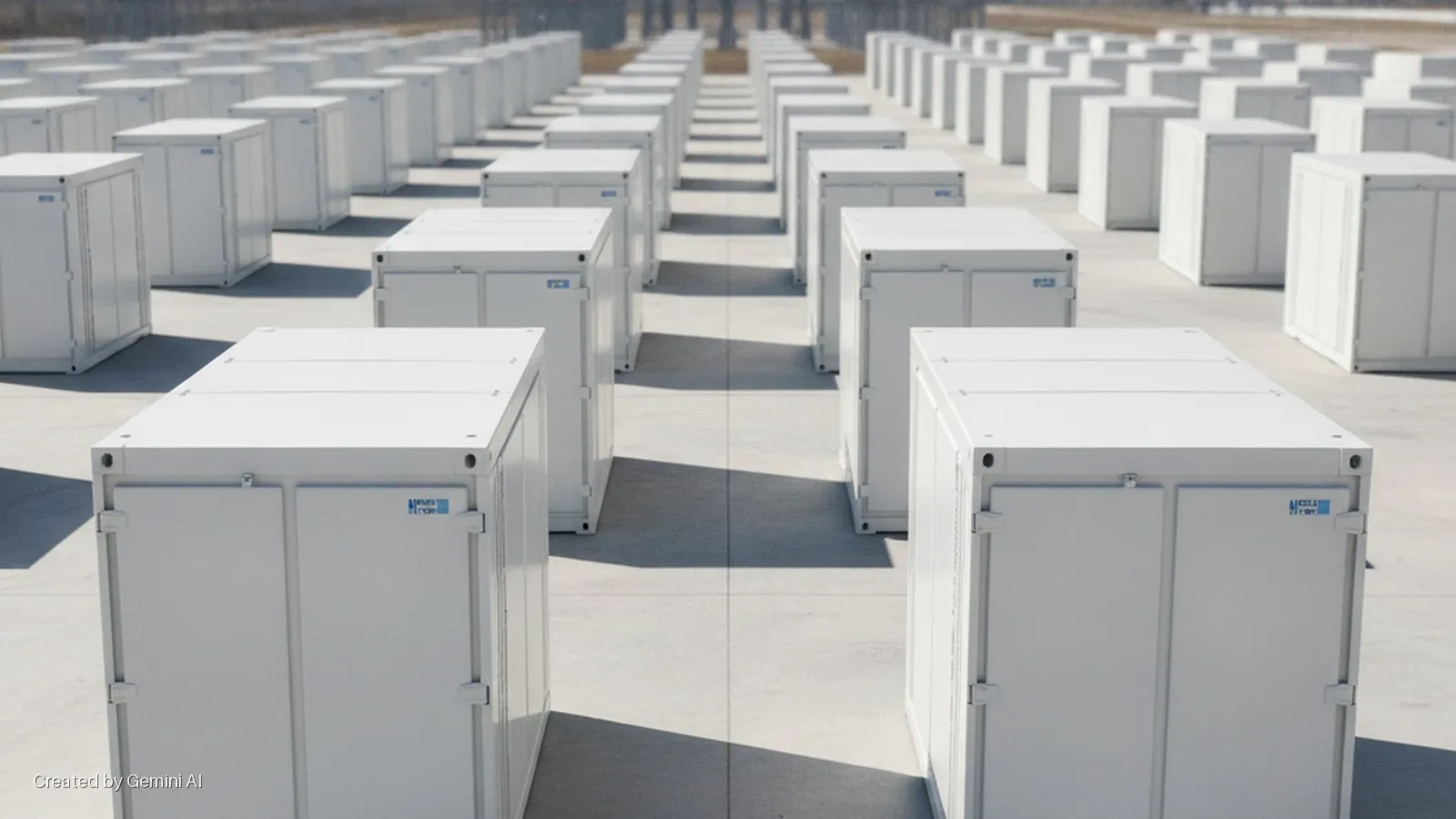
BESS Perlen AG, a joint venture between Swiss holding company Perlen Industrieholding AG and the Valyou Investment Foundation, has contracted ADS-TEC Energy to supply a 10 MW / 20 MWh battery energy storage system (BESS) at the Perlen Papier AG industrial site in central Switzerland. Swiss project developer wattss Group is managing the build, with commissioning expected before the end of 2026.
The system will initially participate in ancillary services markets, providing frequency regulation and reserve capacity to grid operators. Participation in day-ahead and intraday electricity trading is planned at a later stage, opening additional revenue streams tied to wholesale power price spreads.
The deal
BESS Perlen AG was established specifically to own and operate the storage asset over the long term. Valyou, which manages capital on behalf of Swiss pension institutions, is seeking stable infrastructure returns from the project, while Perlen Industrieholding gains a mechanism to monetise the site's grid connection and excess energy capacity.
Florian Geiger, chief executive of both Perlen Industrieholding and Perlen Papier, said the system would advance the site's evolution into "a modern energy hub" and turn energy into "an additional economic asset" for the business. Michael Rudloff, chief operating officer of ADS-TEC Energy, said battery storage "enables companies to store electricity strategically, market it intelligently, and contribute to a more stable energy system."
No contract value, battery chemistry, or system-level performance benchmarks were disclosed in the release. ADS-TEC Energy referenced more than fifteen years of experience in lithium-ion battery storage and power electronics; the company was nominated for Germany's Federal President's Future Prize in 2022.
Market context
Utility-scale battery storage is expanding rapidly across continental Europe as grid operators contend with the intermittency of wind and solar generation. Industrial sites with large grid connections are increasingly attractive hosts for storage assets: they can offset network charges, generate trading income and provide ancillary services, all without requiring a separate grid connection application.
Switzerland's electricity market context adds a layer of complexity. The country has not yet completed full integration with the EU's internal electricity market, meaning access to cross-border balancing and intraday products is more constrained than for equivalent projects in Germany or France. The Swiss Federal Electricity Commission (ElCom) and Swissgrid govern ancillary-service procurement; rules for smaller storage participants have been evolving as the Swiss parliament continues legislative work on electricity market reform.
The industrial BESS segment is contested by a range of European integrators and technology suppliers, including Fluence (a Siemens and AES joint venture), Leclanché (also Swiss-headquartered), and larger energy majors moving downstream into storage-as-a-service models. For a 10 MW project, the competitive differentiator typically sits in energy management software and market-access capabilities rather than cell chemistry alone. wattss's role covering both technical integration and market integration is a model increasingly favoured by industrial clients who lack in-house trading desks.
Forward look
The Perlen project illustrates a broader structural shift in European industry: large energy consumers are repositioning as active electricity market participants rather than passive buyers. As wholesale price volatility persists and network charges rise, the economics of co-locating storage with industrial load are improving. Investors and developers will be watching whether the ancillary-services revenue case holds as more storage capacity enters the Swiss and wider European markets, compressing margins in frequency regulation over the medium term.