
Southeast Asia's Data Centre Race and Alibaba's $10bn AI Bet
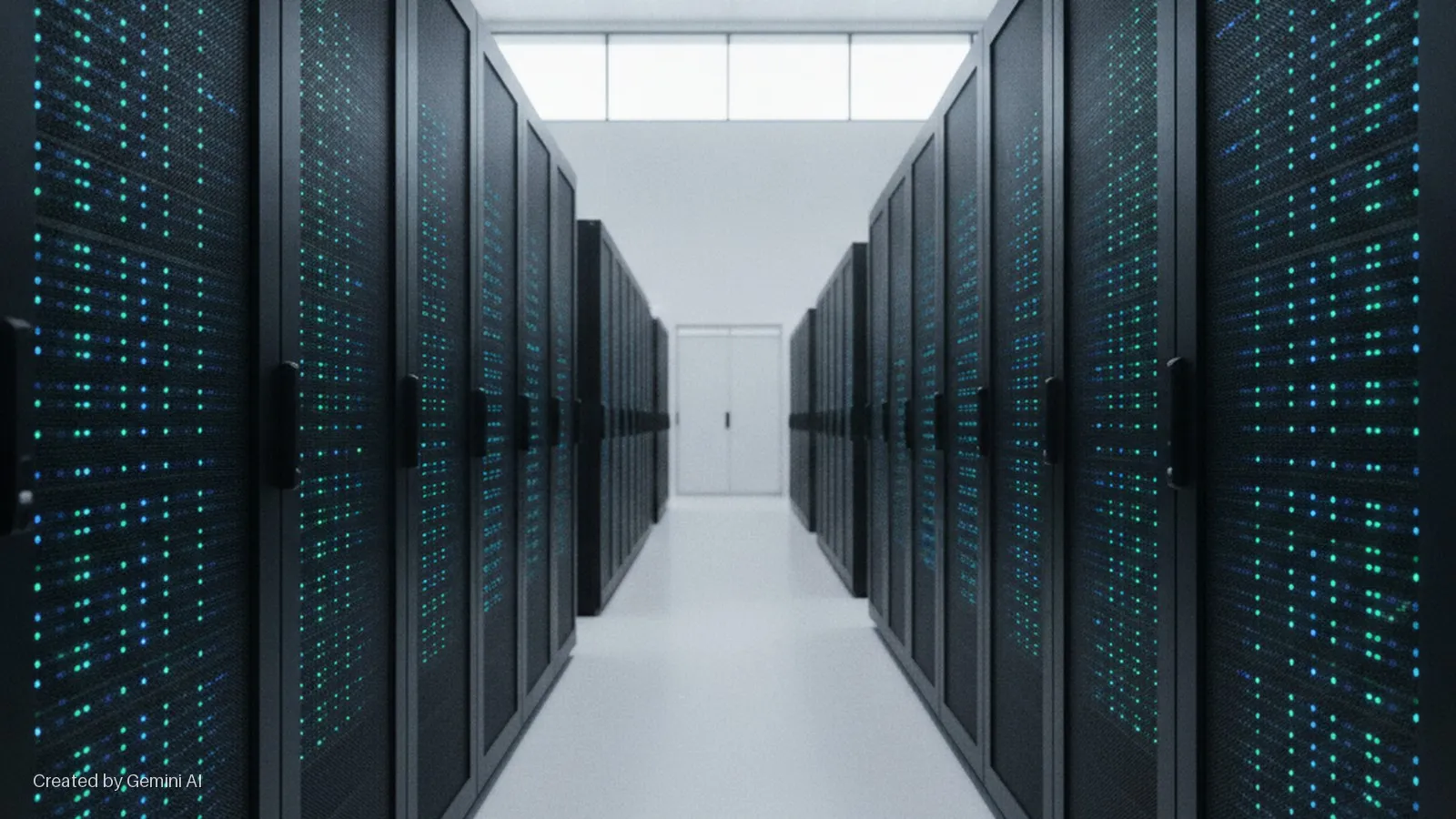
Singapore and Vietnam are moving aggressively to anchor the next phase of Asia's AI build-out, while Alibaba is betting its balance sheet on being the cloud layer that sits on top of it. Together, the two moves signal that Southeast Asia is no longer just a consumption market for AI products, it is becoming a contested site of the infrastructure that produces them.
Singapore's latest data centre allocation parcels out 200 megawatts of new capacity across four operators: Digital Realty, Equinix, Keppel, and ST Telemedia. Each licence comes with a mandatory condition, more than half of all power drawn must be sourced from renewables. That constraint is not incidental. It reflects the city-state's attempt to square a genuine tension: sustaining its status as Asia's premier digital hub while honouring sustainability commitments that are increasingly tied to access to sovereign capital and green-bond markets. Vietnam, meanwhile, has granted a 50-year lease for a $508 million facility near Ho Chi Minh City, signalling that the region's AI compute race extends well beyond Singapore's tightly managed land constraints.
Alibaba Goes All-In
The capital context for this infrastructure build matters. Alibaba has proposed raising $10.2 billion in what could be the largest stock offering ever by a Hong Kong-listed company, with every dollar earmarked for AI infrastructure spending. The company has already deployed close to half of a previously announced $53 billion AI commitment, and its quarterly capital expenditure has risen 75% year on year. Free cash flow has turned negative as a result, a notable signal for investors watching whether hyperscaler AI capex cycles generate returns on timescales comparable to the cloud-infrastructure build of the 2010s. The early evidence is supportive: AI cloud revenue grew 45% in the most recent quarter, which the company says justifies continued spend.
That logic, growth validates the bet, so keep betting, is familiar from the early AWS and Azure years. But the scale is different. Alibaba's proposed raise would be absorbed in part by institutional and sovereign-wealth investors who are already navigating a world of competing AI infrastructure claims from Microsoft, Google, Meta, and the Gulf's own sovereign AI programmes. The question is whether Southeast Asia's grid infrastructure can keep pace. Industry observers note that procuring sufficient grid power for a major data centre can take up to two years in the region, meaning today's licence awards translate into operational capacity only in 2027 or 2028.
The Agentic Commerce Angle
Beyond raw infrastructure, the source material highlights a second convergence thread: the emergence of agentic AI in commerce and logistics. Visa has built a verified-agent directory that allows merchants to confirm whether an AI shopping agent is authorised to transact on a cardholder's behalf, a direct response to the growth of autonomous purchasing. One in four shoppers in Southeast Asia already uses AI assistance to find products; the company says a fifth of the region could make a fully AI-driven purchase by 2027. Separately, a cross-border logistics platform reports that AI-assisted quoting and customs processing can now handle four times the shipment volume per human operator, though human sign-off is retained below a 95% confidence threshold.
These developments point to a second-order implication that matters to cross-sector investors: the AI infrastructure race in Southeast Asia is not only about cloud compute for enterprise clients. It is the substrate for a consumer-facing agentic economy, autonomous shopping, AI-mediated payments, and AI-run logistics, that restructures retail, financial services, and supply chains simultaneously. Capital flowing into Singapore and Vietnamese data centres is, in effect, funding the rails on which autonomous commerce will run. For investors tracking the convergence of AI infrastructure with fintech and retail disruption in the world's fastest-growing consumer markets, the build-out phase is already under way.