
AMD acquires Taalas to bolster AI inference silicon roadmap
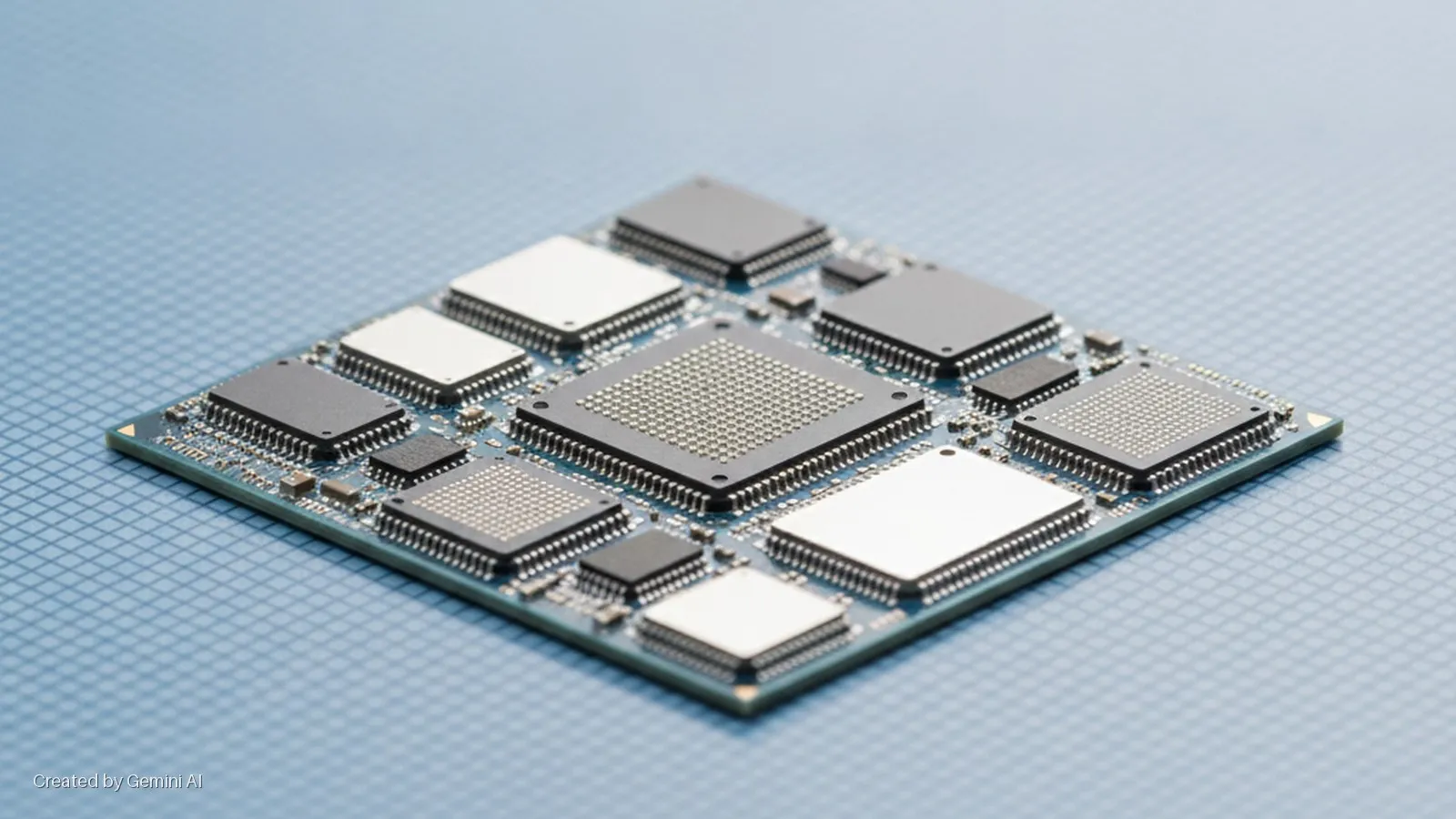
AMD has signed a definitive agreement to acquire Taalas, a Canadian startup focused on specialised AI inference silicon. The Santa Clara chipmaker said it intends to integrate Taalas' technology into its accelerator roadmap and build system-level solutions alongside its Instinct GPU line, with the deal subject to customary regulatory approvals.
Founded in 2023 and headquartered in Toronto, Taalas developed silicon that, according to AMD, optimises inference dataflows by reducing the compute and memory bottlenecks inherent in general-purpose architectures. The company's approach centres on designing hardware around model requirements rather than adapting existing GPU architectures to inference workloads, a distinction its co-founder and chief executive Ljubisa Bajic framed as rethinking inference "from the ground up."
The deal
AMD did not disclose financial terms for the acquisition. The company said Taalas' technology and engineering team will complement its full-stack platform, which spans the Helios rackscale systems, Instinct GPUs, EPYC CPUs, and the ROCm open-source software stack. AMD also highlighted the deal's Canadian dimension, noting its existing presence in the country's semiconductor and AI ecosystem and a stated commitment to retaining Canadian talent after close.
Vamsi Boppana, senior vice president of AMD's Artificial Intelligence Group, said the acquisition adds "differentiated inference performance and efficiency" to a portfolio already competing across cloud, enterprise and edge AI deployments. AMD has not published integration timelines or indicated at which product generation Taalas' silicon would first appear.
Market context
The acquisition reflects mounting competitive pressure in AI inference, where AMD trails Nvidia in GPU market share and faces growing challenges from custom silicon programmes at the hyperscalers. Amazon, Google and Microsoft have all developed proprietary inference accelerators designed for their own model-serving workloads, reducing dependence on merchant silicon for high-volume inference at scale. A wave of well-funded inference-silicon startups, including companies targeting sparse-model and transformer-specific architectures, has also intensified the landscape for AMD.
For AMD, adding purpose-built inference IP is strategically coherent: training workloads are GPU-intensive and Nvidia-dominated, but inference is architecturally distinct, favouring lower latency, higher throughput per watt, and memory-bandwidth efficiency over raw floating-point compute. Acquiring rather than building this capability compresses time-to-market at a moment when enterprise buyers are moving from AI pilots to production deployments at scale.
Regulatory and standards read-across
The deal will require clearance under standard competition frameworks; given Taalas' small size and pre-revenue status as a 2023-vintage startup, significant antitrust friction appears unlikely. More material is the US export-control environment: AMD's existing Instinct GPU lineup is subject to US Bureau of Industry and Security licensing requirements for certain jurisdictions, and any inference accelerator that emerges from the Taalas integration will need to be scoped to those controls from the outset. AMD acknowledged export regulations as a risk factor in its cautionary disclosures accompanying the announcement.
The broader inference silicon market is evolving rapidly, and investors will watch for AMD to provide integration milestones, benchmark comparisons against competing inference accelerators, and evidence of customer traction before the next generation of Instinct products reaches general availability.