
ABAX launches Vision AI video telematics for UK fleets
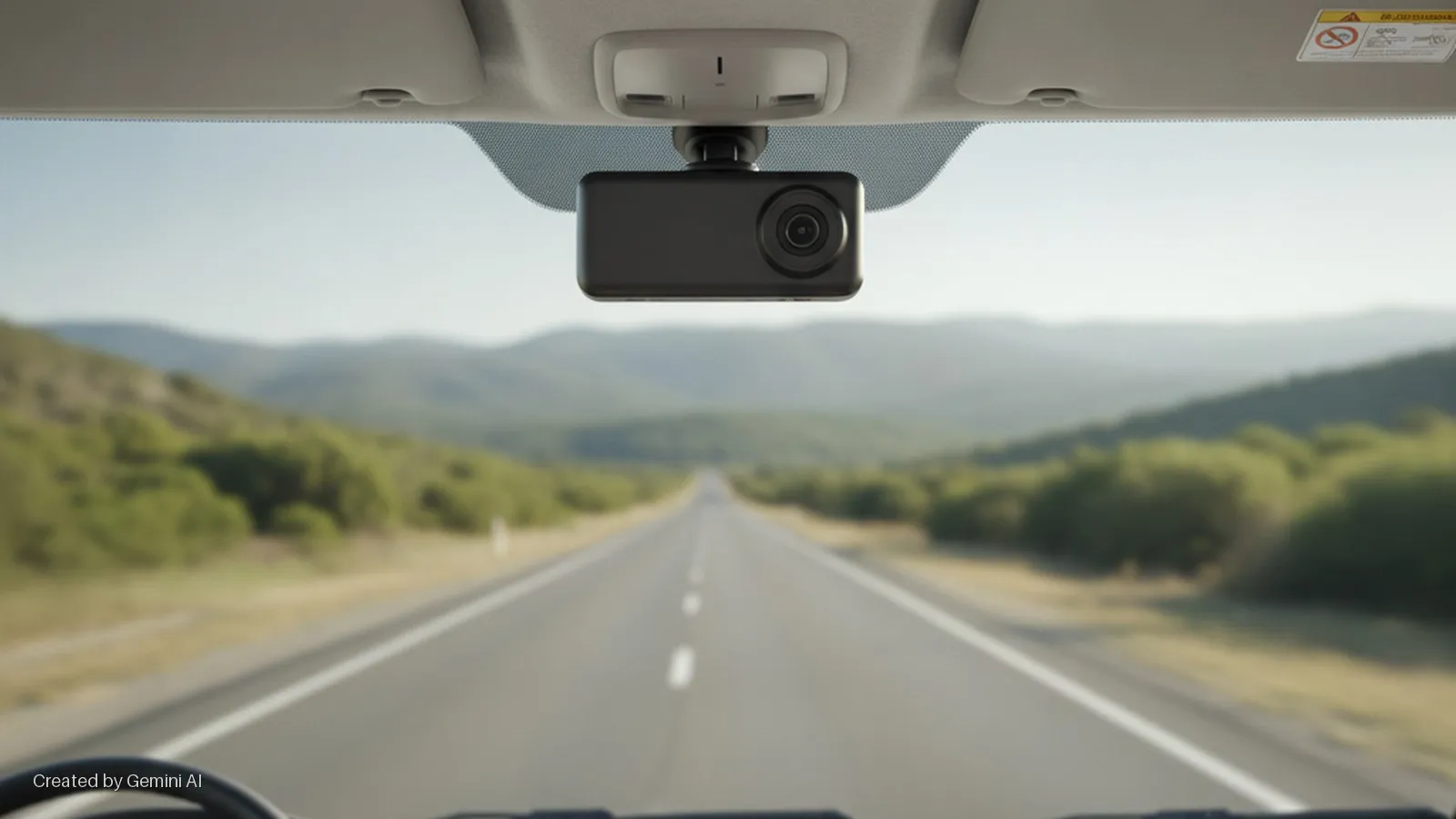
ABAX has launched Vision AI in the UK, an edge-native video telematics solution that embeds AI-driven dashcam functionality directly into its existing fleet management platform. The Peterborough-based company says the product moves beyond passive recording, actively detecting risky driving behaviours and issuing in-cab audio alerts before incidents escalate.
Detected behaviours include driver fatigue, distraction, mobile phone use, tailgating and lane drift. Footage from triggered events is automatically uploaded to the cloud, removing the need for physical SD-card retrieval. The system is available in road-facing and dual-facing camera configurations, and ABAX is offering a free first hardware installation on qualifying UK contracts as a launch incentive.
The product
Jack Bell, Senior Technical Project Manager at ABAX, described the intent behind the integration: "A traditional dashcam tells you what happened. ABAX Vision AI helps fleets understand why it happened and helps drivers prevent incidents before they occur. By bringing video, AI, and fleet data together, we're giving customers the complete picture."
The platform links video clips with trip records, driver profiles and route data within the core ABAX interface. ABAX says this unified view is designed to streamline incident investigations, support driver coaching programmes and accelerate insurance claims handling. The company also highlights a privacy-first design, with event-triggered rather than continuous recording, and controlled access permissions intended to address driver-privacy concerns that have complicated dashcam adoption in some unionised fleet environments.
The full package includes professional installation, a lifetime hardware warranty and around-the-clock support. ABAX, which is headquartered in the Netherlands and serves more than 40,000 customers across Europe, operates primarily in construction, utilities, logistics and manufacturing verticals.
Market context
Video telematics has become one of the most actively contested segments within fleet management technology. Established players such as Samsara, Lytx, Mobileye and Verizon Connect all offer AI-powered driver monitoring and event-recording capabilities, and a growing number of European-focused vendors are competing on platform integration depth rather than standalone hardware.
The UK market presents particular commercial opportunity: the government's updated Highway Code and rising commercial motor insurance premiums have increased fleet operators' appetite for driver behaviour data that can both reduce accident frequency and support insurer negotiations. Several UK insurers now offer premium discounts tied to telematics adoption, creating a direct financial incentive for operators to deploy systems like Vision AI.
Edge-native AI processing, as ABAX describes for Vision AI, is an increasingly common architecture in this category: processing inference locally on the camera unit reduces latency for real-time alerts and limits data volumes transmitted to the cloud, which also helps address GDPR obligations around personal data. However, ABAX did not disclose the underlying hardware specification, the AI model architecture, or independent benchmark results for detection accuracy in its launch release.
Regulatory and standards read-across
Fleet operators deploying in-cab cameras in the UK must navigate the UK GDPR and the Information Commissioner's Office guidance on employee monitoring, which requires clear workforce notification and proportionality justification. ABAX's stated event-triggered recording approach is consistent with ICO guidance, but operators in unionised environments will need to negotiate camera policies through established consultation processes.
Beyond privacy, the ICO and the Health and Safety Executive both treat driver monitoring data as relevant to duty-of-care obligations. Fleets using Vision AI data in disciplinary proceedings will need to ensure data-processing agreements and retention policies are in order. ABAX has not yet published a data processing agreement template or DPA terms specific to the UK deployment, which editors may wish to follow up on.