
UK semiconductor funding hits $321m in 2026 as Bristol leads cities
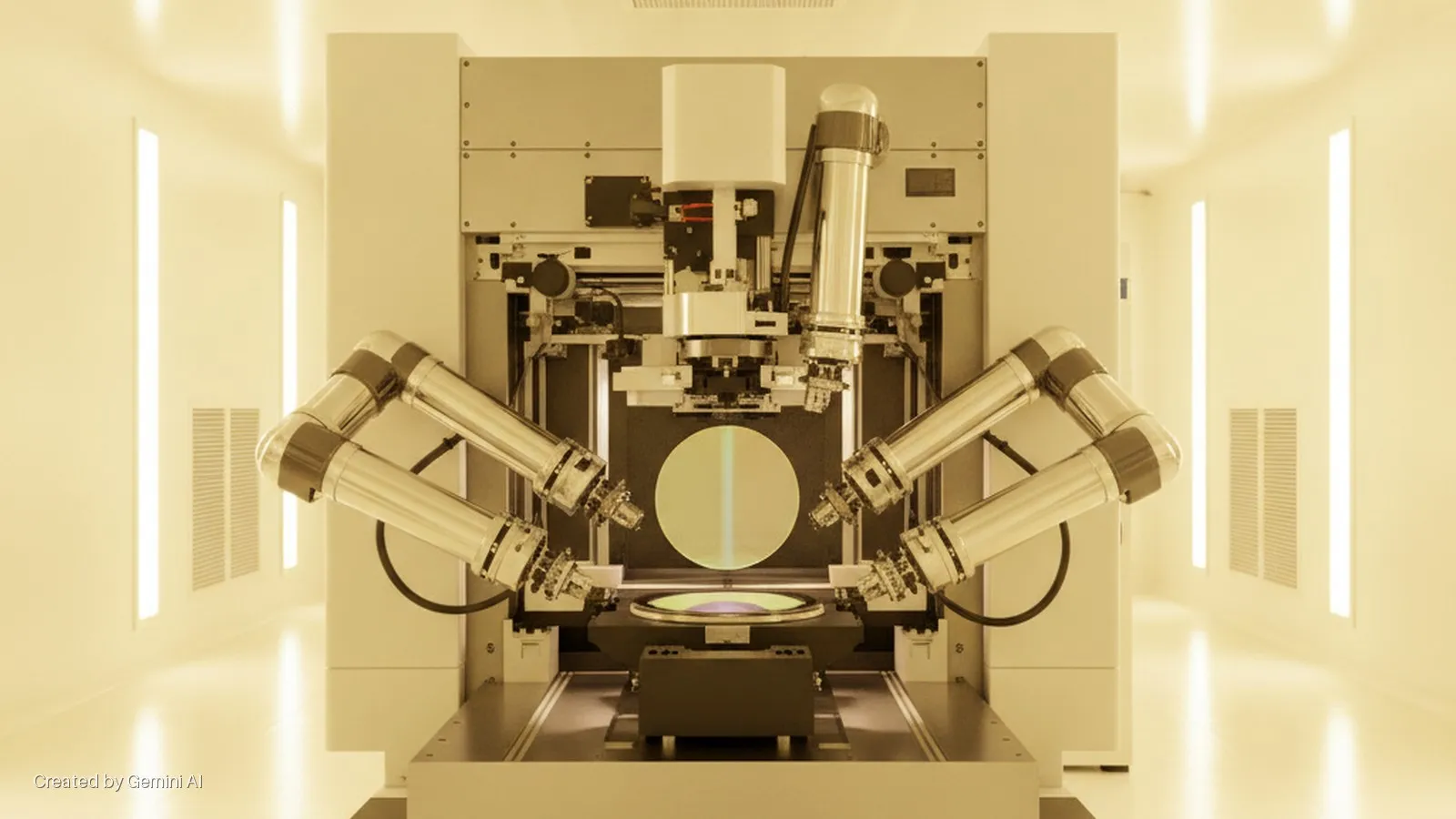
UK semiconductor startups have raised $321 million in equity funding so far in 2026, putting the sector on course to exceed last year's $262 million total, according to a Tracxn market intelligence report published in August. The data covers 1,986 companies across the full semiconductor value chain, from IC design and photonics to sensors, embedded hardware and design tooling.
The headline geographic finding is striking: Bristol accounts for 25.6 per cent of total UK semiconductor funding by city, ahead of Cambridge at 12.2 per cent and London at 11 per cent. That puts Bristol's cumulative share above the two better-known tech clusters combined, driven largely by Graphcore Systems, which has raised $742 million in total and remains the sector's most capitalised private company by Tracxn's scoring.
The deals driving 2026 activity
The largest single round of the year to date is Fractile's $220 million Series B, closed in May 2026 and backed by Founders Fund, Conviction and 8VC, among others. Fractile, founded in 2022 and based in London, works on memory IC architecture and has now raised $260 million in total across two rounds. A notable footnote from recent reporting is that the company's co-founder departed following scrutiny of China-linked ties, a reminder that national-security considerations are increasingly part of due diligence for deep-tech investors in the UK.
Other significant rounds in the past 24 months include CoMind's $60 million Series A, Nu Quantum's $60 million Series A backed by National Grid Partners and Morpheus Ventures, Paragraf's $55 million Series C, and Optalysys's $31 million Series A in January 2026. The three-year compound annual growth rate for UK semiconductor funding stands at 54 per cent, though the five-year CAGR is a more modest 2 per cent, reflecting the volatile nature of deep-tech capital cycles.
Stage-wise, 373 companies have received at least one equity round from a base of 1,986 tracked entities. The funnel narrows sharply: 124 have reached Series A, 59 Series B, and just 34 Series C or beyond. Median Series A round size across the 2021 to 2026 period is $6.6 million; median Series B is $15.5 million. Late-stage rounds are dominated by outliers, with the Fractile $220 million Series B sitting as the maximum in the current dataset.
Market context and regulatory read-across
The UK semiconductor landscape sits within a broader global scramble for chip sovereignty. The US CHIPS and Science Act and the EU Chips Act have both directed tens of billions of dollars and euros respectively toward domestic manufacturing and R&D capacity. The UK government's own semiconductor strategy, published in 2023, was criticised at the time for its relatively modest direct funding commitments compared with those larger blocs, though subsequent interventions through UKRI and the National Security Strategic Investment Fund have channelled capital into priority areas such as compound semiconductors and photonics.
The Tracxn data also flags the acquisition channel as significant for exit liquidity. Qualcomm's $2.5 billion purchase of Alphawave Semi, completed in mid-2025, is the largest recent exit, while Molex's $1.7 billion acquisition of Smiths Interconnect closed in October 2025. Both transactions involved overseas acquirers, a pattern that has drawn periodic political attention under the National Security and Investment Act 2021, which gives the UK government powers to block or condition deals in sensitive sectors including semiconductors.
Arm Holdings remains the sector's gravitational anchor. Its September 2023 NASDAQ listing at a $52.3 billion market cap, and subsequent record royalty and licensing results with AGI CPU demand reportedly exceeding $2 billion, continue to set the benchmark against which UK chip ambitions are measured. However, Arm also faces an active US antitrust investigation into its licensing practices, adding regulatory uncertainty to what has otherwise been a strong operational trajectory.
For early-stage investors, the most active seed-stage funds in the UK semiconductor space include Northern Gritstone, the UK Innovation and Science Seed Fund, and Parkwalk, the latter holding positions across nine companies in the dataset including Oxford Photovoltaics and Paragraf. Octopus Ventures leads at the early stage with eleven portfolio companies in the feed.